Program Overview
A beginner-friendly AI summer experience designed to build confidence, skills, and research thinking.
About the Camp
The PEAAII AI Summer Camp at the University of Massachusetts Boston is designed for students with no prior research experience. Through story-driven teaching, hands-on labs, guided practice, and team projects, students learn the foundations of artificial intelligence and research methodology while building their own portfolio-ready work.
What Students Will Learn
- Identify meaningful problems through real-world observation
- Formulate strong research questions
- Search for and evaluate academic resources
- Design experiments and test hypotheses
- Analyze data and draw conclusions
- Build a structured research mindset
- Develop and present a final AI project prototype
Program Format
- Monday & Friday: On-campus at UMass Boston
- Tuesday–Thursday: Remote via Zoom
- Pizza provided on in-person days
- Lectures + Labs + Practice + Discussions + Mentoring
Why Families Choose This Program
Students progress from curiosity to creation through structured lectures, guided labs, hands-on practice, and personalized mentorship. By the end of the program, each student develops and presents a final project that can support future academic opportunities, competitions, and college applications.
Weekly Topics
Students may enroll in individual weeks or complete the full multi-week experience.
Summer Schedule
- Week 1 — Introduction to AI & Machine Learning
- Week 2 — From Neural Networks to Intelligent Machines
- Week 3 — Speech & Natural Language Processing
- Week 4 — Generative AI & Creativity
- Week 5 — From Curiosity to Creation: Build Your First AI Project & Research Portfolio
What Makes It Special
- Beginner-friendly design for students with little or no research experience
- Hybrid structure with 2 on-campus days and 3 remote days each week
- Strong emphasis on projects, presentations, and academic growth
- Support from professors, graduate mentors, and assistants
- Food provided on in-person days
Weekly Syllabi
Explore each week’s focus, structure, and sample activities.
Week 1 — Introduction to AI & Machine Learning
View the full weekly syllabus, topics, and instructional plan.
Open syllabusWeek 2 — From Neural Networks to Intelligent Machines
View the full weekly syllabus, topics, and instructional plan.
Open syllabusWeek 3 — Speech & Natural Language Processing
View the full weekly syllabus, topics, and instructional plan.
Open syllabusWeek 4 — Generative AI & Creativity
View the full weekly syllabus, topics, and instructional plan.
Open syllabusWeek 5 — From Curiosity to Creation: Build Your First AI Project & Research Portfolio
View the full weekly syllabus, topics, and instructional plan.
Open syllabusWhat Students Gain
A stronger foundation for future research, summer programs, competitions, and academic storytelling.
Research Readiness
Students learn how to ask meaningful questions, test ideas, interpret results, and think in a structured academic way.
Portfolio Development
Each student builds project-based work they can use in future applications, competitions, or academic opportunities.
Presentation Experience
Students develop confidence by presenting their ideas, explaining their work, and participating in a final showcase.
Application
Pricing, application details, and the official form.
Apply to the 2026 PEAAII AI Summer Camp
Apply using our official Google Application Form.
Webinar Recording & FAQ
Watch the registration webinar and explore common questions from families and students.
AI Institute Summer Camp Registration Webinar
FAQ
1. What’s the top idea and mindset you like for your children have when the camp done?
The top mindset we want students to have is curiosity, critical thinking, and the confidence to solve real-world problems.
AI is not just about programming; it is also about problem-solving. Students will learn how to define a problem, figure out the best way to provide a solution, and identify the best AI tools to address those problems efficiently.
2. How will this program prepare students for the future?
Our summer camp gives students a unique opportunity to cope with the new AI revolution. The world is very different now, and AI is changing very fast. The summer camp trains students not only to use AI tools, but also to think about how to address real-world problems. If students only know how to do coding, that is not enough. The camp provides training on how to solve problems, how to build real-world applications, and how to present their ideas.
Students can complete portfolio-ready end-to-end projects, and they can use the summer camp outcome for other research competitions, college applications, or future research pathways.
3. How do students with no coding experience succeed in the camp?
We understand that students come with different levels of technical skills. Some students may already know Python, and some may have zero coding background. That is okay.
Each day, professors provide lectures in the morning, PhD students lead live sessions in the afternoon, and assistants provide guided practice and personal help. We will also share some materials before the summer camp starts, so students can review the basic principles of coding.
The more important part for our summer camp is whether the student is curious, willing to learn, and willing to solve problems.
4. What can a 9th grader learn in one or two weeks? What kind of projects would you offer?
Each week is independent, so students can join one week or stack any week in any order they like. Even in one or two weeks, students can learn key AI foundations and build hands-on projects.
For example, students can build their first machine learning model, work on computer vision and object detection, build an AI chatbot, create generative AI projects with text, images, audio, and video, or present a poster or report.
The goal is that students do not just learn concepts. They work directly with AI tools, design inputs, compare outputs, build projects, and present what they created with their teams.
5. Do you have any standout projects or success stories?
We also want to share one example from last summer. During one lab session, we saw three boys playing games together. At first, we were upset. But our TAs were very patient. They talked with the boys to see what their interests were and encouraged them to focus on expanding them.
On the last day, those three boys built a computer game to explain why it is important to protect the environment and protect the Earth. They connected their personal interest in games with AI, education, and a real-world problem. This shows why personal guidance and multi-level mentorship are so important.
6. Why is this year’s camp stronger?
We decided to make the summer camp a university-level AI training experience. Every day, the professor will provide a 3-hour lecture on fundamental theories, methods, and real-world cases. The PhD student will lead a 3-hour live session in the afternoon, and the assistants will provide two hours of guided practice at different levels of mentorship.
We target to help students build real-world applications and complete portfolio-ready end-to-end projects. Students can use the summer camp outcome for research competitions, college applications, academic programs, or publication pathways. For competent students, PhD advisors are eager to help them learn how to do research, how to do critical thinking, and how to pursue future opportunities.
Meet the Team
Faculty and student support staff leading the program.
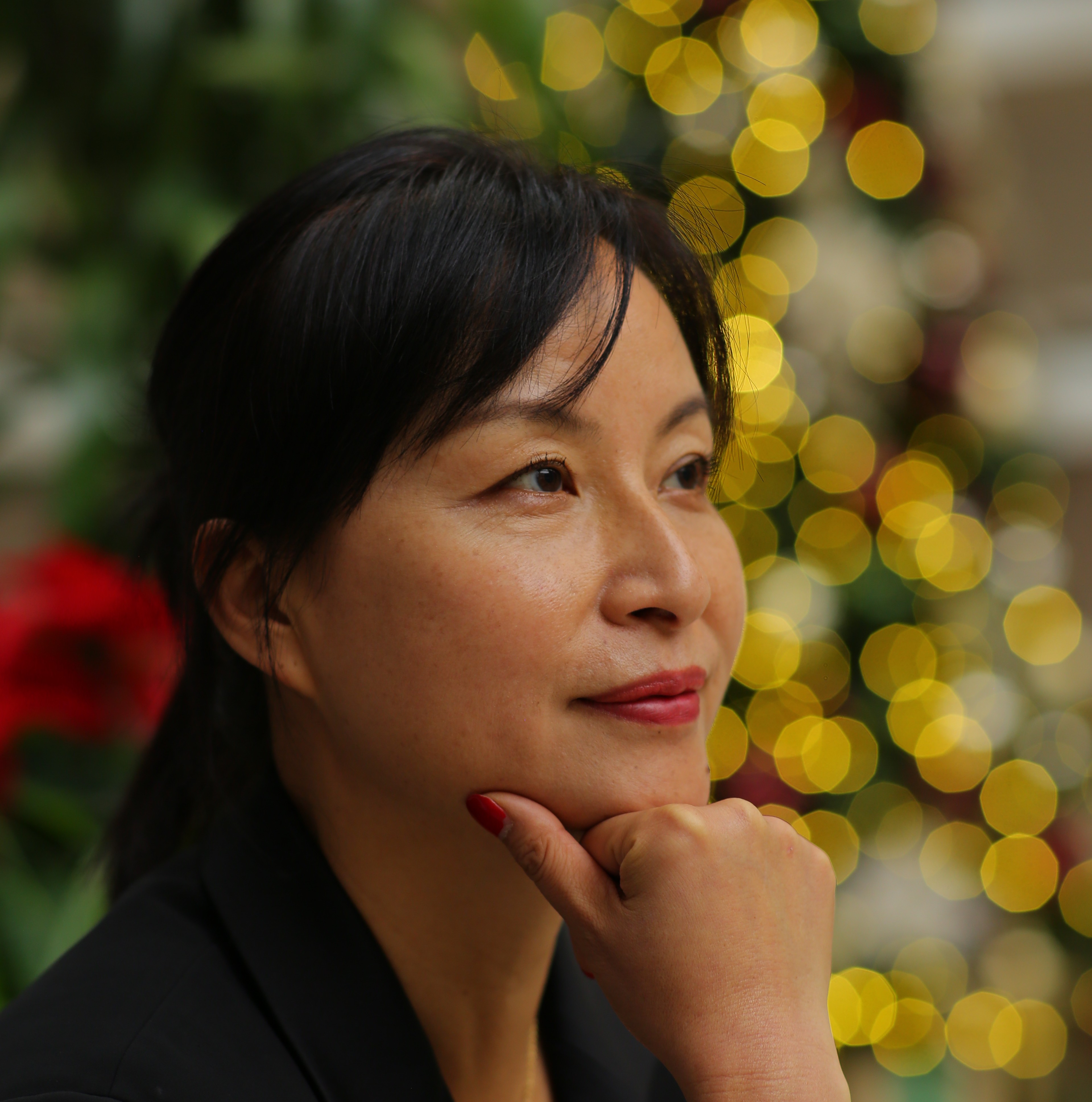
Professor Wei Ding
Executive Director, PEAAII
Dr. Ding combines expertise in AI, data mining, machine learning, and computational semantics with a deep knowledge of UMass Boston and a strong commitment to student-centered innovation and applied AI education.
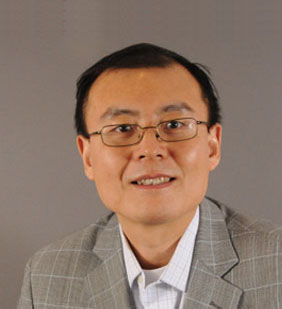
Professor Ping Chen
Professor
Dr. Ping Chen is a Full Professor of Computer Engineering and Director of the Artificial Intelligence Lab at UMass Boston. His work spans artificial intelligence, natural language processing, and machine learning.
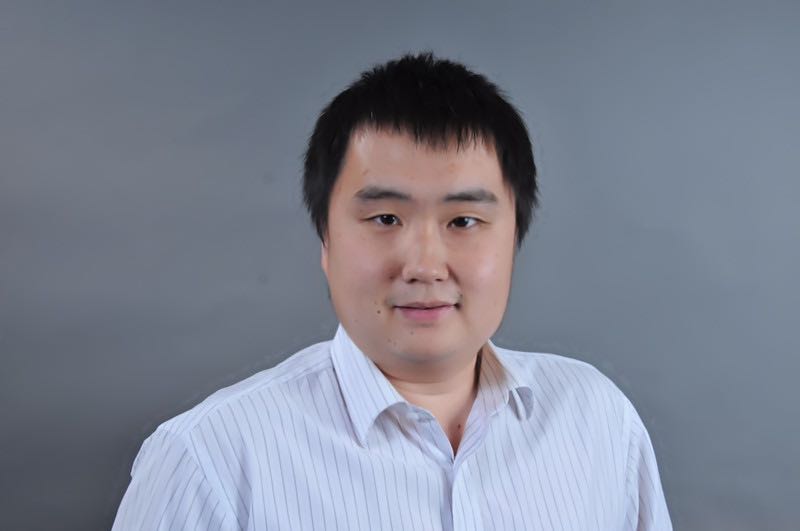
Professor Xiaohui Liang
Associate Professor
Dr. Xiaohui Liang is an Associate Professor of Computer Science at UMass Boston and leads the Mobile Computing and Privacy Lab. His research includes mobile systems, speech and language processing, and privacy.
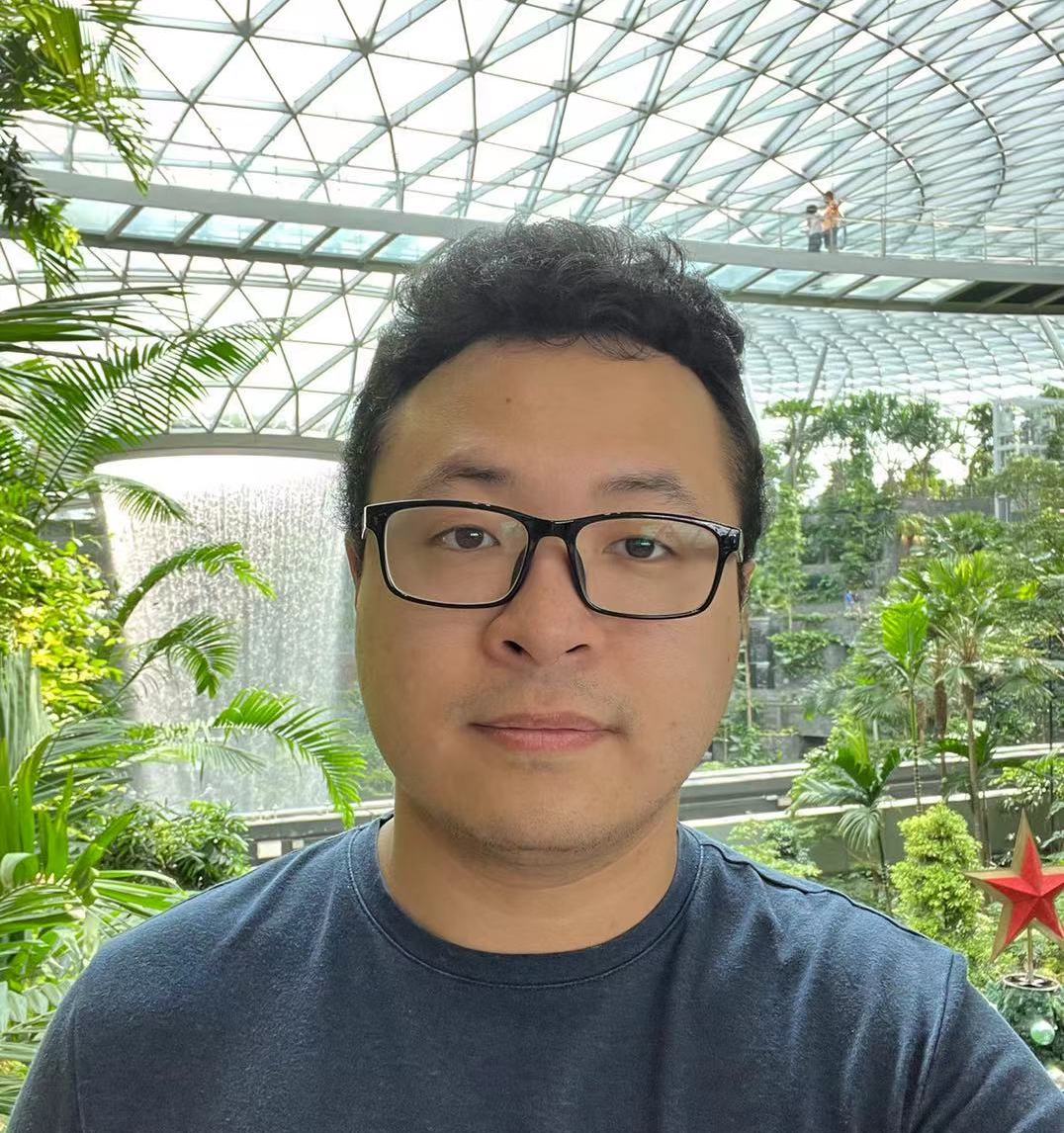
Professor Shichao Pei
Assistant Professor
Dr. Shichao Pei is an Assistant Professor in Computer Science at UMass Boston whose research interests include machine learning, foundation models, and AI safety.
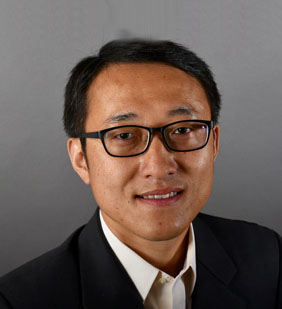
Professor Bo Sheng
Professor
Dr. Bo Sheng is a professor of computer science at UMass Boston. His research includes edge computing, mobile systems, cloud computing, robotics, and cybersecurity.

Professor Yinxin Wan
Assistant Professor
Dr. Yinxin Wan is an Assistant Professor in Computer Science at UMass Boston. His interests include secure and trustworthy AI, IoT, and networked systems.
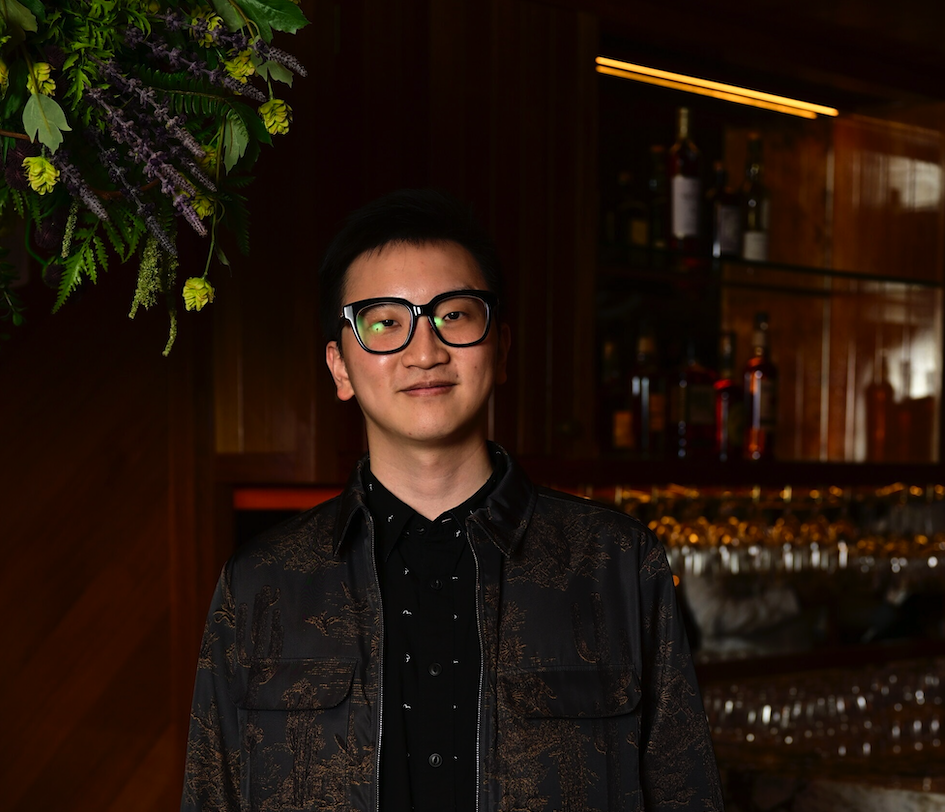
Chengjie Zheng
Graduate Student Assistant
Chengjie Zheng is a PhD Candidate in Computer Science at UMass Boston whose research focuses on machine learning, AI reliability, hallucination detection in large language models, and trustworthy AI systems.

Rami Huu Nguyen
Graduate Student Assistant
Rami Huu Nguyen is a PhD student working on chatbots, multimodal large language models, and creative AI systems. Her work focuses on evaluation frameworks, RAG pipelines, and building scalable, human-centered AI tools.
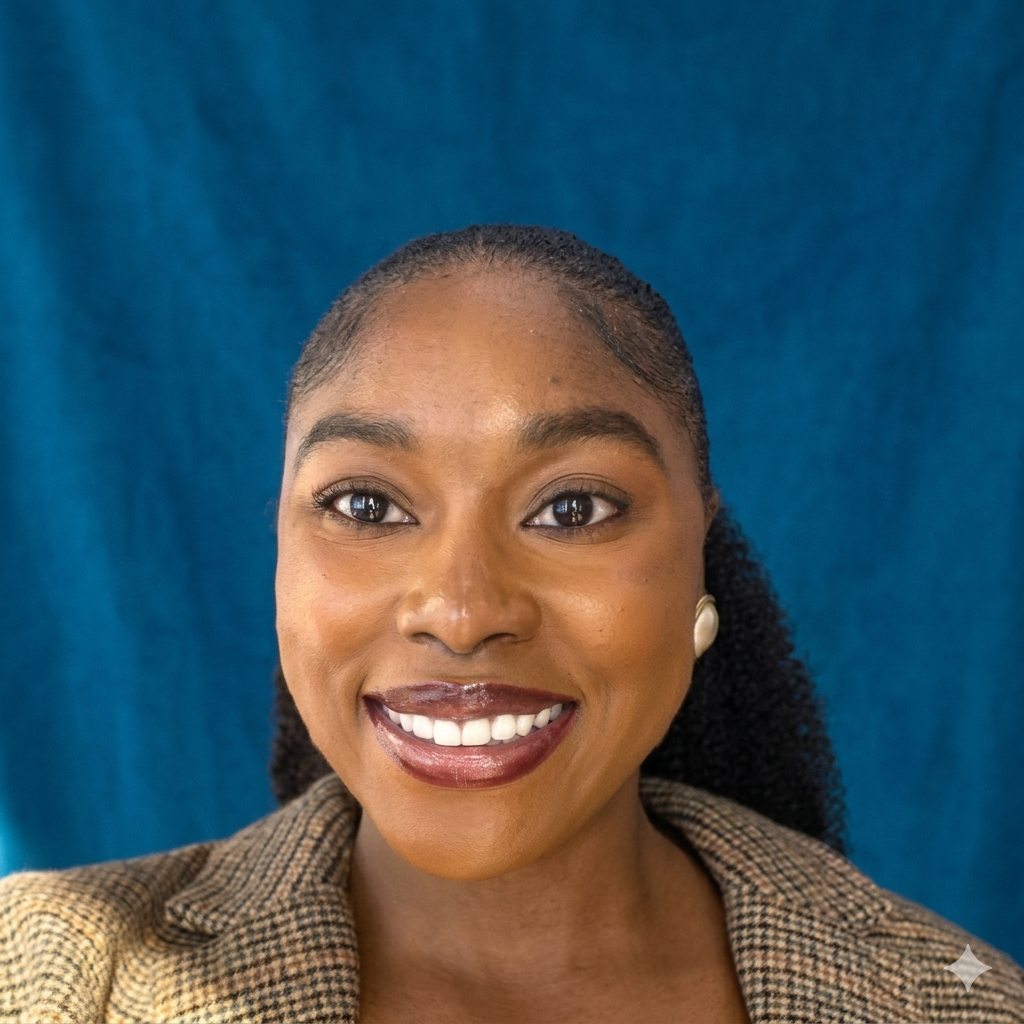
Ajanee Igharo
Undergraduate Student Assistant
Ajanee Igharo is an undergraduate Psychology student at UMass Boston and an accelerated MBA candidate focused on business strategy, data analytics, and artificial intelligence. She supports PEAAII programming, student engagement, and AI initiatives.

Dora Nguyen
Undergraduate Student Assistant
Dora (Dawn) Nguyen is an undergraduate Accounting student at UMass Boston’s College of Management. She supports the institute through marketing and design and is interested in financial analysis, data analytics, and the role of AI in business.

Rebaz Kamal
Undergraduate Student Assistant
Rebaz Kamal is an undergraduate student in the Engineering Department at UMass Boston, majoring in Computer Engineering with a minor in Computer Science. His areas of study include artificial intelligence and large language models.
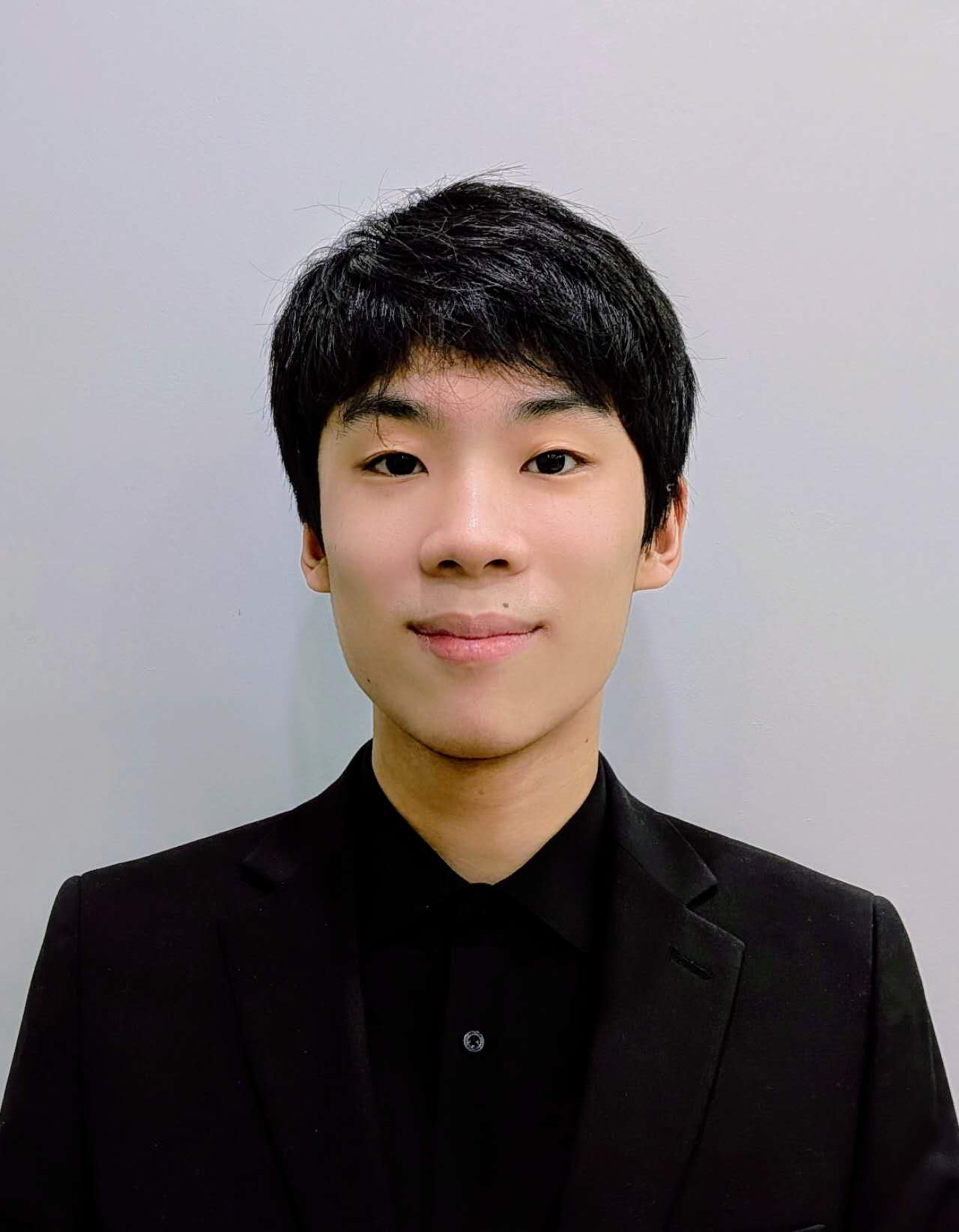
Justin Wang
High School Student Assistant
Justin Wang is a returning PEAAII AI Summer Camp TA with experience applying AI to real-world problems, including healthcare data and LLM pipelines. He is interested in responsible AI and developing systems for real-world impact.
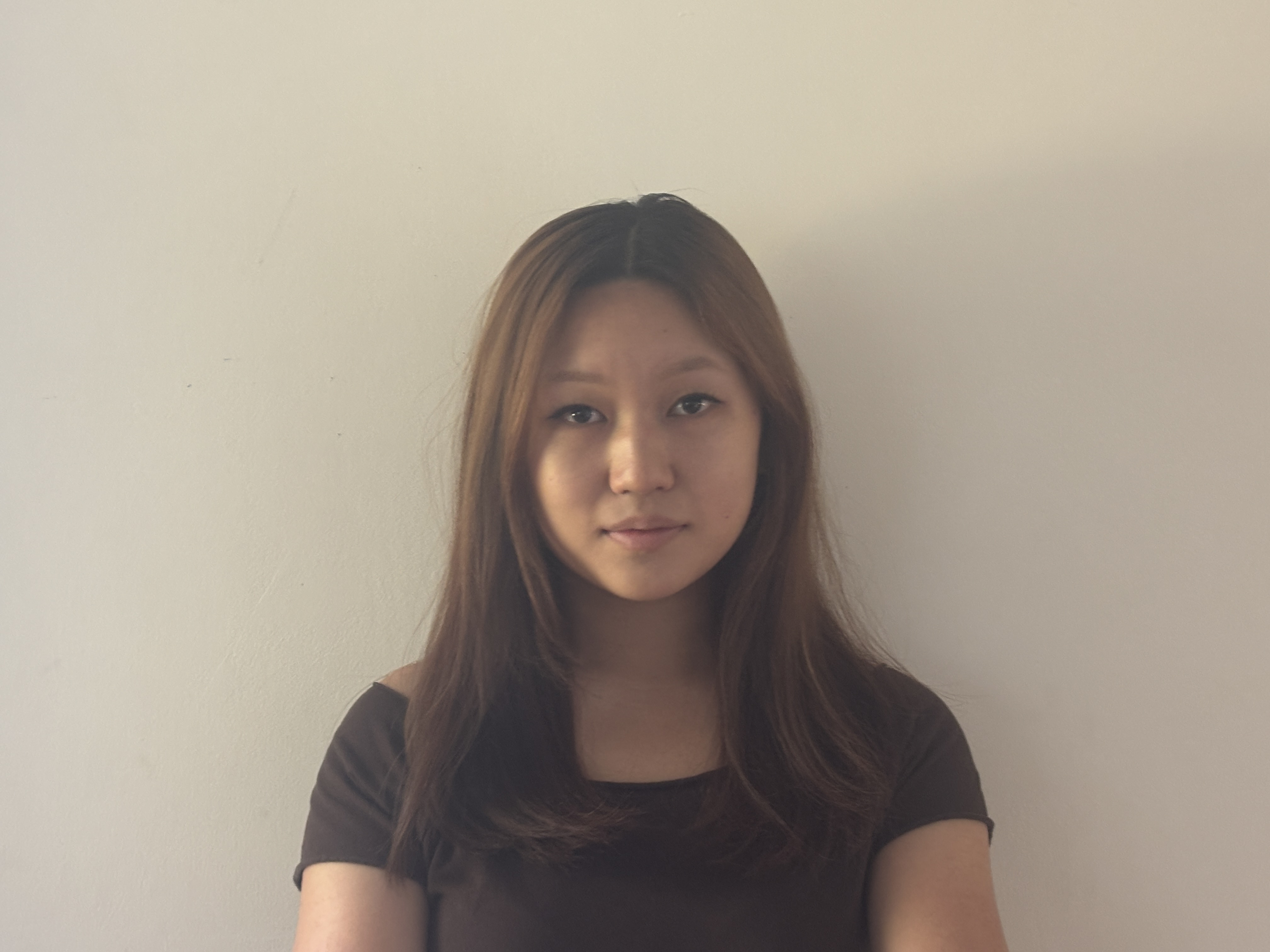
Jasmine Gu
High School Student Assistant
Jasmine Gu is a senior at Lexington High School and an incoming Computer Science student at UC Berkeley. She is passionate about AI and supporting students in learning and exploring new technologies.